
Egypt Customs Clearance Process (2026)
From Shipment Review to Cargo Release.
Read the guide
Customs Clearance Egypt starts with a pre-shipment clearance review. This Egypt customs clearance guide explains import customs clearance for commercial cargo, importer eligibility and customs documentation. Use it to plan the shipment file, compare provider responsibilities and request a written scope from ElNgoom Egypt before dispatch.
Request a shipment assessmentPrepare your commercial shipment for customs clearance in Egypt with ElNgoom Egypt. Discuss the goods, importer arrangement, documentation and proposed route before dispatch. We support businesses planning imports into Egypt and Egyptian companies arranging clearance for commercial cargo. Therefore, start the review before dispatch and agree ownership of missing evidence. Moreover, distinguish advance preparation, customs release and physical collection. Ask our commercial cargo support team for a shipment-specific scope and use the official single-window portal to check current services.
Customs clearance is the process of presenting the shipment and supporting declaration, addressing the applicable controls and assessments, and obtaining release. Freight booking, advance filing, customs release and final delivery are connected stages, but each has its own responsibilities. A pre-shipment review helps identify missing information while there is still time to correct it.
Discuss document preparation, classification questions, applicable advance procedures and coordination of the clearance file. Confirm the agreed scope for examinations, authority queries and local collection. Service availability, route coverage and product requirements are assessed for the shipment rather than assumed from a generic list of ports or commodities.
Start by identifying the importer in Egypt, the receiving party and the purpose of the goods. Provide specifications and draft documents before dispatch. If the receiving arrangement needs additional importer support, ask whether an appropriate IOR arrangement is available. Customs brokerage and importer responsibility are different roles; both should be clear before shipping.

Share the intended import purpose and relevant registration information, together with the product and shipment details. Explain whether the goods are for resale, production, maintenance or another use. Requirements vary by case, so an existing import arrangement should still be reviewed when the commodity, origin or transaction changes.
First, review the goods and importer arrangement. Second, reconcile the commercial documents and applicable advance requirements. Third, prepare the declaration and address assessments, examinations or requests for evidence. Finally, coordinate release and the remaining collection steps. Keep an owner and a status record for each outstanding action.
Begin with the draft commercial invoice, packing list and planned transport details. Add origin evidence, importer and authorisation information, technical specifications and product-related documents where required. This is a starting list, not a universal statement that every shipment has the same document requirements.
Classification, valuation, origin, import purpose, product controls and document readiness can affect the assessment and schedule. Professional fees, government amounts and carrier or terminal charges should be identified separately. Ask for an itemized estimate and milestone forecast with assumptions. No single release time or duty percentage applies to all cargo.
Air cargo needs document readiness alongside fast transport; consolidated movements also require coordination of shipment references and destination handling. Container movements add carrier release, terminal collection, free-time management and, for FCL, empty-return planning. Specify the mode and entry point when requesting an assessment.
Send your draft invoice and packing list, product specifications, origin, condition, value, transport mode, planned entry point and importer details. Tell us whether the cargo is not yet shipped, in transit or already at a terminal, and describe any current hold. ElNgoom Egypt can discuss the proposed scope and the information needed for a quote.
| Review area | Prepared approach | Unresolved approach | Action |
|---|---|---|---|
| Scope | Agree filing, attendance and collection tasks | Assume every task is included | Request a written scope |
| Importer | Confirm authority and receiving arrangement | Rely only on the freight booking | Resolve eligibility before dispatch |
| Goods | Provide item-level specifications | Use vague descriptions | Link products to invoice lines |
| Documents | Reconcile the final versions | Circulate inconsistent attachments | Keep a document register |
| Advance file | Assign registration and transmission owners | Treat a reference as customs release | Retain completion evidence |
| Cost | Separate fees, assessments and third-party tariffs | Compare headline totals only | Normalise quote assumptions |
| Timing | Track readiness, release and collection | Use one deadline for every shipment | Identify outstanding actions |
A commercial shipment assessment should connect Nafeza shipment records with the customs documentation supplied by the importer and exporter. First, check importer eligibility and identify who owns each missing record. Then, compare customs duties and taxes separately from the provider’s professional fees.
For cargo release planning, request a customs clearance quotation scope that identifies exclusions, evidence requirements and collection responsibilities. In addition, explain the intended use of the goods and the transport mode. This helps the provider assess commercial cargo clearance without assuming that one shipment’s requirements apply to another.
First, identify the importer and the intended use of the goods before confirming dispatch. Ask which registrations and authorisations apply to the actual transaction. Moreover, separate importer responsibility from the broker’s filing role and the carrier’s transport role. Keep the responsible parties in a written shipment record. Resolve any uncertainty about the receiving arrangement before treating the commercial cargo file as ready.
CargoX guidance describes mandatory ACI filing for sea freight to Egypt and air freight from 1 January 2026. Therefore, coordinate the applicable workflow with the Egyptian-side party and overseas exporter. Reconcile party identifiers and document versions before dispatch. Moreover, retain registration and transmission evidence for follow-up. An advance shipment reference does not replace the customs declaration, applicable product controls or final release.
First, support the goods description with specifications, intended use, composition and other relevant product information. In addition, keep classification, transaction value and origin evidence as separate review items. Moreover, connect each invoice line to its supporting records when different goods require different treatment. However, a proposed code does not establish the entire final assessment. Ask which assumptions remain provisional and retain the evidence used for the review.
Product characteristics and intended use may affect the evidence or competent-authority review required for a shipment. Therefore, flag technical features early and ask which controls apply to the actual goods. Avoid treating a general commodity label as a complete approval assessment. Moreover, distinguish customs release from carrier release and physical collection. Therefore, keep handling, transport and equipment-return obligations visible until the agreed operational scope is complete.
First, identify the goods, transaction, importer and proposed route before confirming final shipping instructions. Share the draft commercial file and the intended use of the goods. Moreover, record who can answer product and document questions. The readiness review should distinguish confirmed information from provisional assumptions and missing evidence. For this reason, keep an action list with an owner for every outstanding item so the parties share a clear working position.
Second, review the invoice, packing list and transport instructions against the actual product specifications. Check that parties, quantities, weights and descriptions agree across the current file. Moreover, ask whether origin or product evidence needs further review before dispatch. Keep the approved version and record later corrections against the affected invoice lines. As a result, an outdated attachment is less likely to become the working clearance document.
Third, coordinate applicable advance requirements with the parties responsible for shipment registration and document transmission. Verify current platform instructions for the actual mode and movement rather than reusing an old checklist. Moreover, retain evidence of completed actions and identify unresolved dependencies before communicating readiness. However, obtaining a reference is only one checkpoint within the process. Confirm remaining obligations with the responsible party before finalising dispatch arrangements.
Fourth, support the authorised parties preparing the declaration and addressing requests for additional evidence. Keep classification, value and origin records available for the reviewer. Moreover, log the exact query, responsible party and next response date. Agree who approves unexpected expenditure before a new cost arises. For example, a useful shipment update distinguishes a customs question from an outstanding carrier, terminal or commercial-document task.
Finally, confirm the release position, payment requirements and handling steps before arranging cargo collection. Check separate carrier requirements, transport instructions and any empty-equipment return obligations. Moreover, obtain the agreed receipts and close outstanding commercial actions after delivery. Record actual milestones to improve future planning. As a result, the shipment record becomes a useful operational history without assuming that every movement can be measured against one universal release deadline.
From Shipment Review to Cargo Release.
Read the guide ↗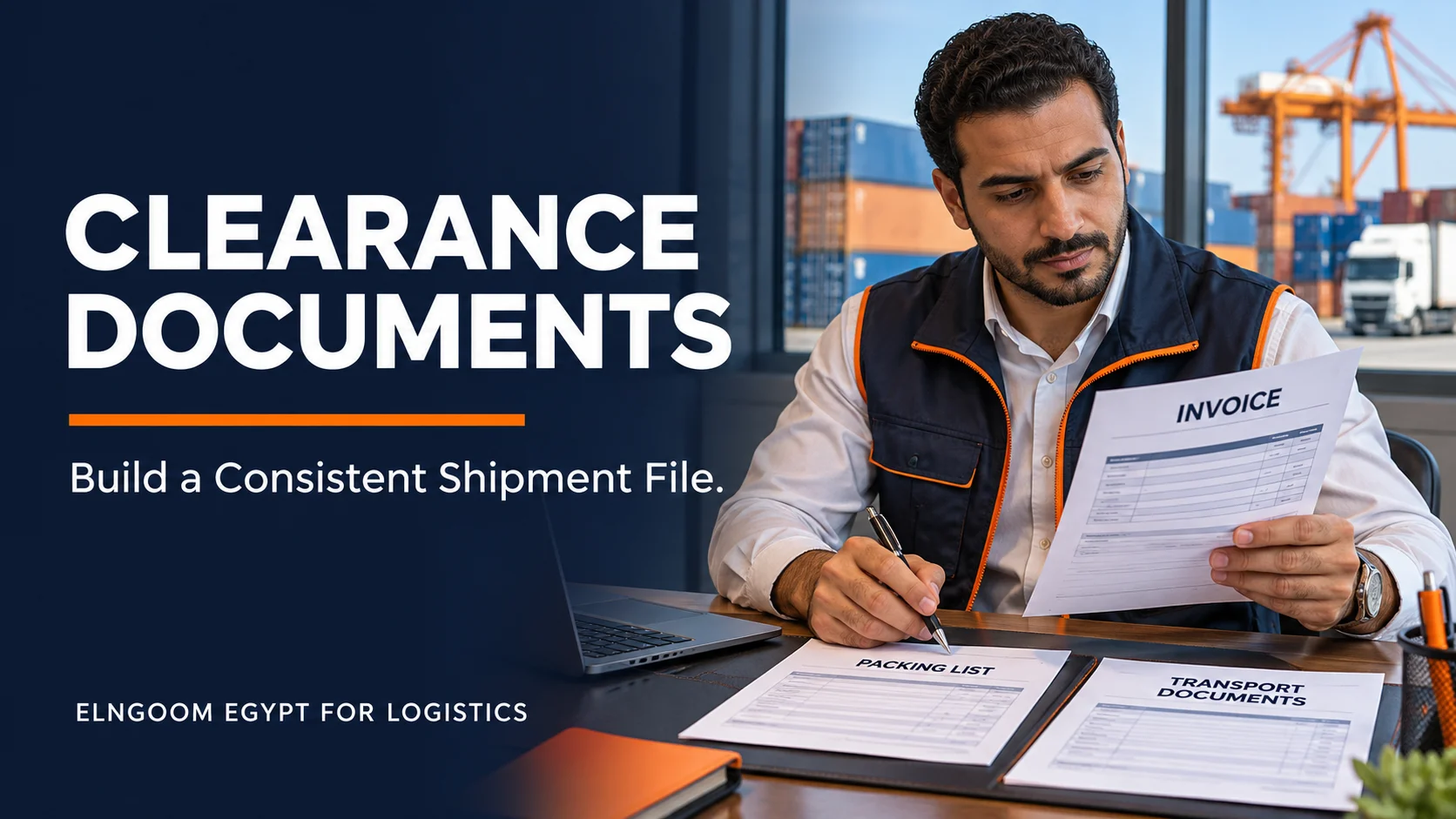
Build a Consistent Shipment File.
Read the guide ↗
Know the Scope. Understand the Charges.
Read the guide ↗
Track Milestones. Resolve Delays.
Read the guide ↗
Define Local Roles Before You Ship.
Read the guide ↗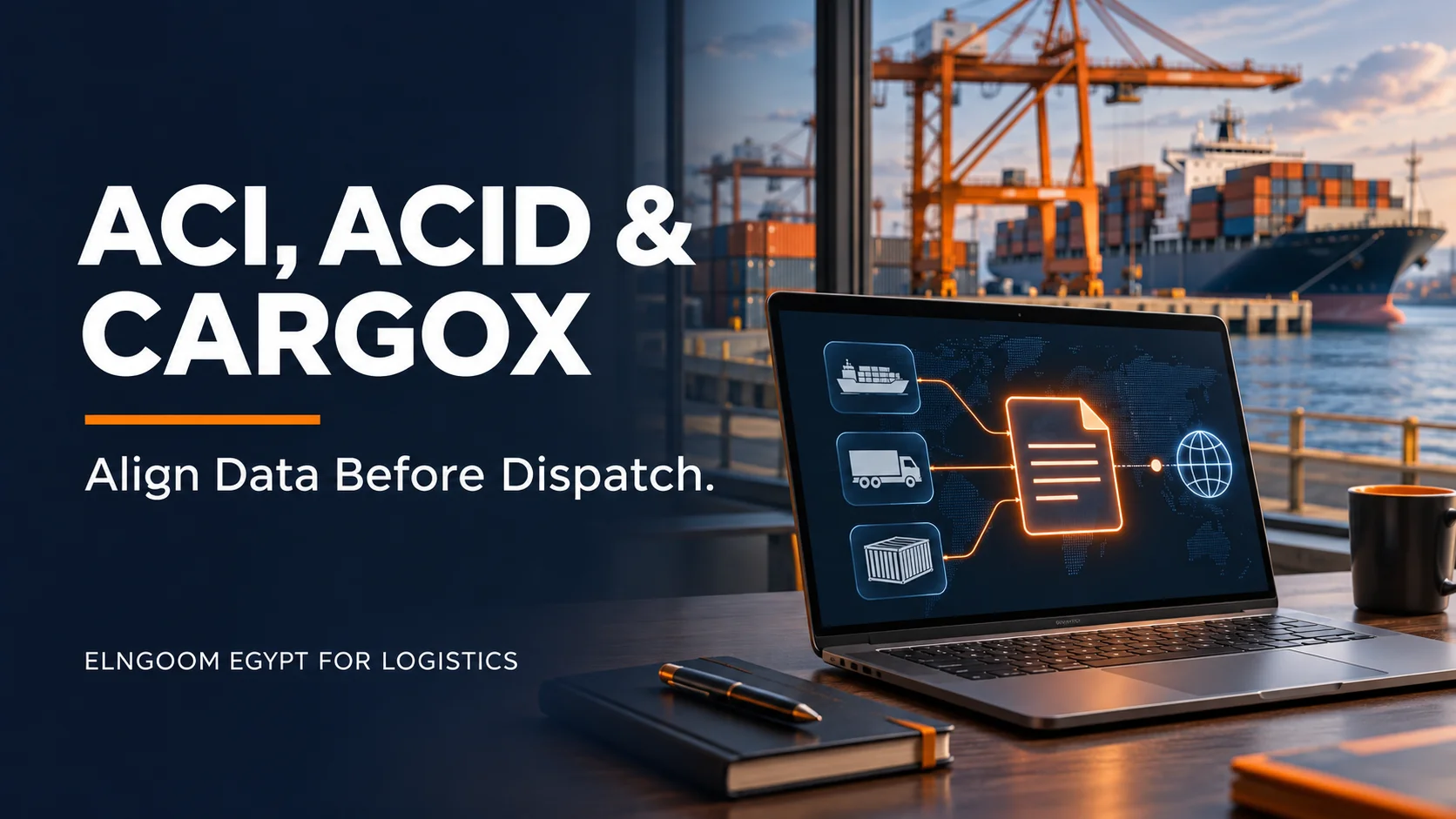
Align Data Before Dispatch.
Read the guide ↗
Prepare the File Before the Flight.
Read the guide ↗
Coordinate Release and Collection.
Read the guide ↗
Start with the Product. Support the Code.
Read the guide ↗
Compare Authority, Scope and Service.
Read the guide ↗An initial discussion is possible, but a useful estimate needs enough information to define the cargo, route, importer and scope.
Timing depends on readiness, controls and outstanding actions. Request a shipment-specific forecast with clear milestones.
The importer arrangement must be evaluated for the transaction. IOR is relevant to some cases and is not automatically required in every foreign-company shipment.
No. Advance filing and customs release are different stages.
Customs clearance is the process of presenting the shipment and supporting declaration, addressing the applicable controls and assessments, and obtaining release. Freight booking, advance filing, customs release and final delivery are connected stages, but each has its own responsibilities. A pre-shipment review helps identify missing information while there is still time to correct it.
Discuss document preparation, classification questions, applicable advance procedures and coordination of the clearance file. Confirm the agreed scope for examinations, authority queries and local collection. Service availability, route coverage and product requirements are assessed for the shipment rather than assumed from a generic list of ports or commodities.
Start by identifying the importer in Egypt, the receiving party and the purpose of the goods. Provide specifications and draft documents before dispatch. If the receiving arrangement needs additional importer support, ask whether an appropriate IOR arrangement is available. Customs brokerage and importer responsibility are different roles; both should be clear before shipping.
Share the intended import purpose and relevant registration information, together with the product and shipment details. Explain whether the goods are for resale, production, maintenance or another use. Requirements vary by case, so an existing import arrangement should still be reviewed when the commodity, origin or transaction changes.
Planning commercial cargo clearance in Egypt starts with the shipment and importer arrangement. A pre-shipment clearance review can identify missing customs documentation and clarify cargo release planning. Send ElNgoom Egypt your goods description, origin, transport mode and intended importer to discuss the customs clearance requirements in Egypt for your shipment. Request a written quotation scope separating professional services, estimated duties and third-party charges before appointing a provider.
Finally, request a written scope identifying professional fees, estimated assessments and third-party charges. Agree who manages each outstanding action and which evidence is required before collection. Moreover, request milestone updates rather than a universal release guarantee. Contact info@elngoom.com, customer service on +20 115 566 0606, or sales on +20 2 3740 2199 to discuss the actual cargo and proposed route.
Discuss your cargo fileSources reviewed November 8, 2026. Confirm requirements for the actual goods, transaction and transport mode before dispatch.
Executive Director & Customs Clearance Expert

Your strategic partner in import and export. We provide comprehensive logistics solutions including Importer/Exporter of Record (IOR/EOR), fast customs clearance, and international shipping to ensure your business grows securely.